Metal Stamping
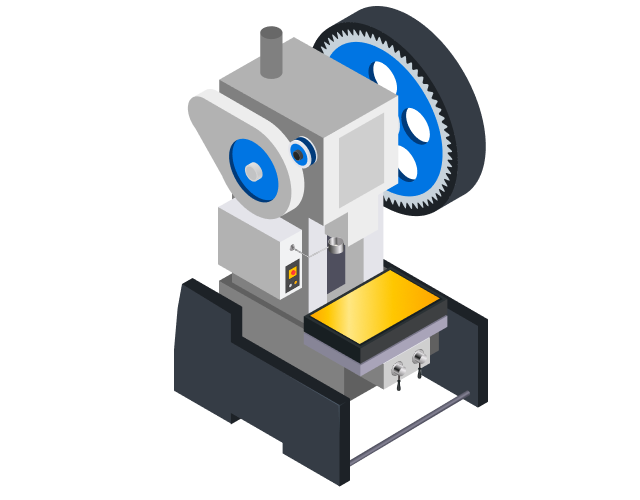
Metal stamping is a fundamental process in the manufacture of metal components and parts. From creating simple parts to complex components for various industries, metal stamping offers precision, efficiency, and versatility. EMS Group is a leading company in offering advanced metal stamping solutions, standing out for its ability to integrate different modalities such as thin cutting, progressive stamping and manual stamping.
Fine Cut
Thin cutting is a stamping technique that allows the production of components with very tight tolerances and extremely smooth cutting edges. This is essential in applications where precision and edge quality are critical, such as in parts for precision machinery and electronic components.
Characteristics of the Fine Cut
- High Precision: It allows for extremely precise cuts, which is ideal for parts that require tight tolerances.
- Edge Quality: It has the ability to produce smooth, burr-free edges, reducing the need for additional finishing operations.
- Material Efficiency: It reduces material waste by optimising material utilisation during the cutting process.
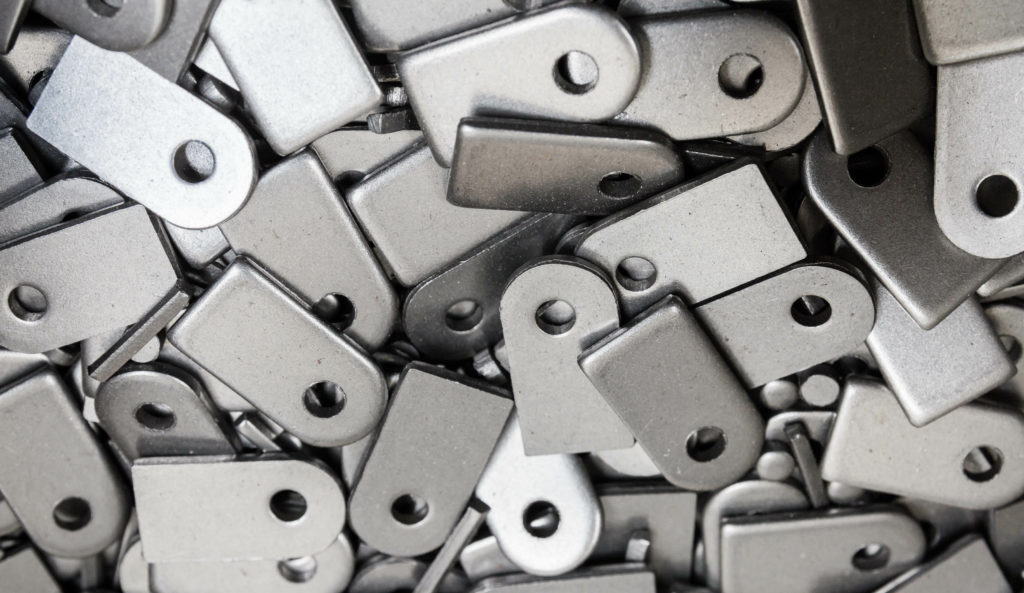
EMS Group uses fine cutting technology for its customers who are looking for parts with extreme accuracy and superior finishes. The precision and efficiency of this process make it ideal for industries where accuracy is critical. The use of specialized presses and high-quality cutting tools ensures that EMS Group can offer solutions that meet the highest industry standards.
Progressive Stamping
Progressive stamping is a process that involves a series of sequential steps where a continuous strip of metal is used to pass through different workstations within the same press. Each station performs a different operation until the final part is fully formed.
Characteristics of Progressive Stamping
- High Productivity : Ability to produce large volumes of parts in a reduced time thanks to process continuity.
- Versatility: Suitable for producing complex parts with multiple features in a single cycle.
- Reduced Costs: Less need for material handling and reduced setup times lower production costs.
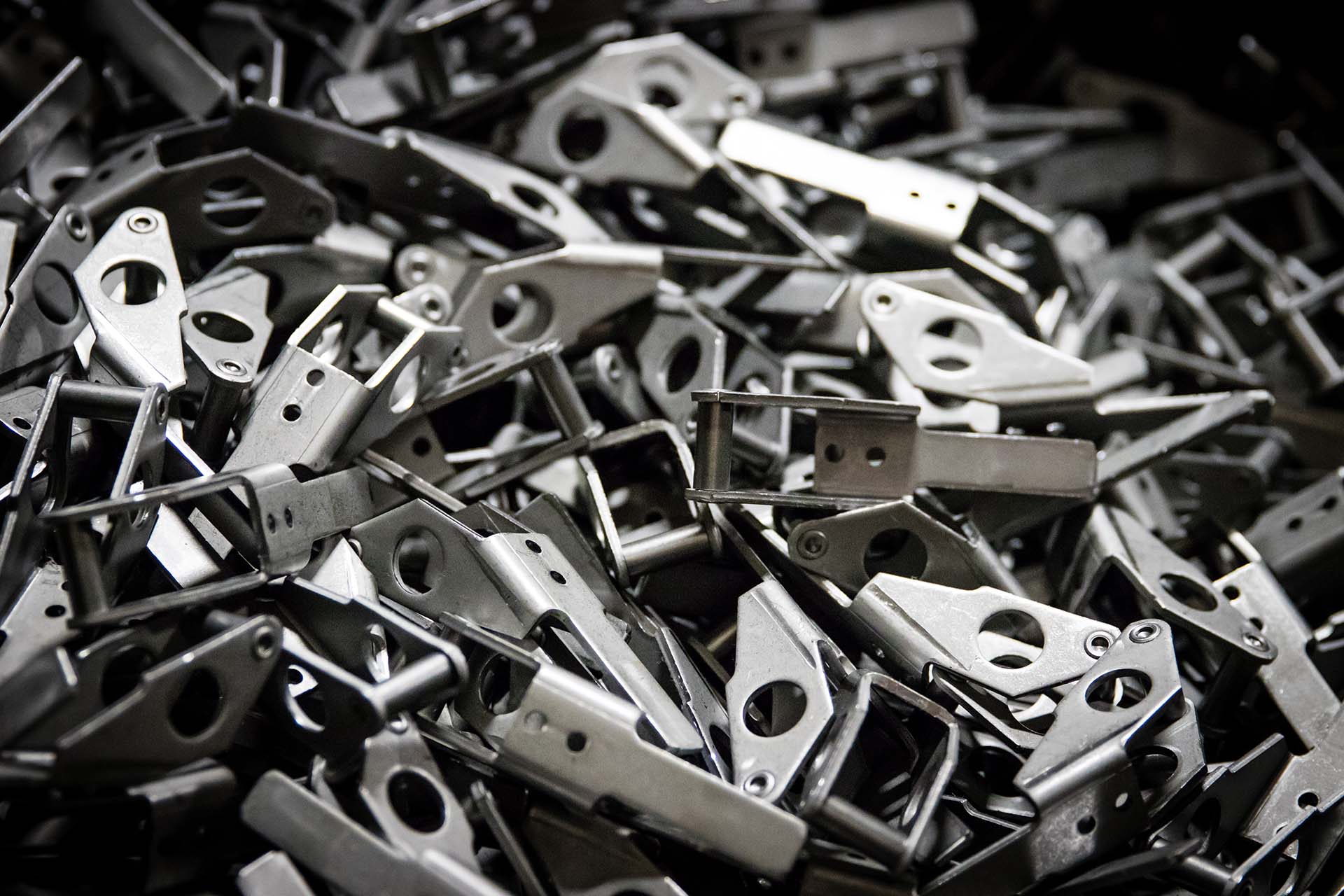
EMS Group uses progressive stamping for projects where efficiency and high volumes are essential. The dies are meticulously designed to ensure that each part meets the customer’s precise specifications. EMS Group’s ability to customize each stage of the progressive process allows for the flexibility to accommodate a wide range of customer-specific requirements.
Manual Stamping
Although technology has advanced, manual stamping is still relevant for certain jobs that require monitoring and process adaptation that automated solutions cannot offer. This approach is ideal for small series productions or for custom jobs that demand special attention.
Characteristics of Manual Stamping
- Flexibility: It allows individual adjustments to be made during the process, which is useful for custom parts or one-off projects.
- Quality Control: Operators can monitor and adjust processes in real-time to ensure that the final product meets customer expectations.
- Low Investments in Tools: Ideal for low-volume jobs where it is not expensive to acquire large tools or machinery.
EMS Group offers manual stamping for customers who are looking for a customized solution or who require smaller-scale production. The expertise of their technicians ensures that each piece is manufactured with the utmost attention to detail, guaranteeing a final product that meets the specific needs of the customer.
Material Selection
- Aluminum alloys
- Stainless Steel
- Carbon Steel
- Titanium
- Brass
- Copper
Delivery time
EMS Group can take care of the production of the dies required for the stamping of metal parts. Delivery times will be linked to the development, validation and production process.
Quality Control
Our quality control department performs robust quality control. EMS Group is ISO 9001 certified.
What is Metal Stamping?
Metal stamping is a manufacturing process that involves deforming metal sheets to achieve specific shapes. Through the use of presses and dies, a controlled force is applied that allows the metal to be cut, bent, or molded to the required specifications.
This method is distinguished by its ability to generate parts with high precision and uniformity, being a key element in the modern manufacturing industry. From mass producing small components to creating large panels, stamping is critical in a variety of industrial applications.
Metal Stamping Process Step by Step
Metal stamping is a detailed procedure that consists of several stages, each of which requires specialized tools. From material preparation to final finishing, every phase is crucial for the production of quality and precision metal parts.
Material Preparation
The first phase of the process involves preparing the base material before the forming and shaping of the parts. It is essential that the material is adequately prepared for stamping.
Some of the most commonly used metals in cold metal stamping and typical applications are:
- Carbon Steel: This versatile metal is frequently used in the manufacture of parts for the automotive industry.
- Stainless steel: With its corrosion resistance and durability, it is ideal for components in medical, industrial, and architectural applications.
- Aluminium: Lightweight and malleable, it is commonly used in the manufacture of vehicle components and in the aerospace industry.
- Copper: With its excellent electrical and thermal conductivity, it is used for the creation of electronic components.
- Brass: Popular in the manufacture of hardware, plumbing fixtures, musical instruments, and decorations for their attractive appearance and corrosion resistance.
Stamping Tool Design
Tool design is a critical stage in the metal stamping process. The right choice of tools is essential to ensure precision and quality in the manufacture of parts.
The most common tools include:
- Arrays: These are designed using CAD software to create precise geometries that meet the specifications of the parts to be manufactured. Wear-resistant materials are selected and heat treated to ensure durability.
- Punches: These are chosen based on the type of stamping operation and the characteristics of the part. High-strength materials are selected, and their geometries are designed to apply the required force evenly over the metal material.
- Metal Stamping Machines: These machines are chosen according to the required capacity and job specifications. Factors such as compression force, operating speed, and control accuracy are considered to select the right machine for the specific task.
- Clamping Devices: Designed to secure the material during the process, these devices minimize vibration and allow optimal access to the part, ensuring accurate and consistent forming.
The meticulous design of these tools is essential to achieve optimal finishes on stamped parts.
Metal Stamping Operations
The sheet metal stamping process includes a variety of specialized techniques that are used to shape and transform the material into finished products.
The different types of metal stamping are described below:
- Court: This operation involves the use of cutting tools to divide the metal material into individual pieces with the desired shape. It is common in the manufacture of components such as sheets, plates, and metal discs.
- Perforation: This process involves creating holes or perforations using punching tools. It is used to manufacture parts that require holes for assembly, ventilation, drainage, among other purposes.
- Sausage: In this operation, the material is deformed inwards to generate cavities or three-dimensional shapes. It is used in the production of parts such as containers, boxes and components with concave geometries.
- Clipping: It involves cutting the metal around a predefined shape to remove excess material and achieve the final configuration of the part. It is useful in the manufacture of components with intricate contours and intricate details.
Post-Finishing and Post-Treatment
After carrying out the stamping operations, it is essential to carry out a finishing and post-treatment process to ensure the quality and functionality of the parts.
This process includes:
- Deburring: It involves the removal of burrs or sharp edges that may remain on metal parts after stamping. It is carried out using deburring tools, such as files, brushes or automated equipment intended for this purpose, thus ensuring smooth and safe edges.
- Cleaning: It is responsible for removing any oil residue, dirt or metal particles that may have remained on the surface of the parts during the stamping process. Different cleaning methods can be employed, including solvent washing, abrasive blasting, or high-pressure water washing.
- Finishing: It completes the stamping process of the metal parts, providing not only the desired appearance, but also corrosion protection. Various finishing techniques, such as painting, powder coating, anodizing, or galvanizing, can be applied to improve both the aesthetics and durability of the parts.
At the end of these manufacturing stages, the parts are considered suitable for assembly.
Frequently Asked Questions About Metal Stampings
What are the Advantages of Metal Stamping?
Metal stamping has numerous advantages, including:
- High Accuracy and Consistency: It enables the production of parts with extremely precise dimensions and shapes in a repetitive and consistent manner.
- Versatility: It is suitable for creating a wide range of part shapes and sizes, adapting to various industrial needs.
- Efficiency: This manufacturing process is fast and cost-effective, making it an ideal choice for mass production.
- Waste Reduction: It minimizes the amount of material wasted during manufacturing, contributing to more sustainable production.
- Durability: The stamped parts are robust and have a long service life, thanks to the structural integrity provided by the process.
What are the Applications of Metal Stamping?
Metal stamping is used in a wide spectrum of industries, such as:
- Automotive Industry: It is used to manufacture components such as bodies, doors, hoods and engine parts.
- Electronics: It is used in the production of components such as device housings, connectors, and printed circuit boards.
- Aerospace: It is applied in the manufacture of lightweight and robust components for aircraft and spacecraft.
- Appliances: It is used to create items in products such as washing machines, refrigerators, and stoves.
- Medicine: It is crucial in the production of surgical implants and medical devices.
How Do You Design a Metal Stamping Die?
Designing dies for metal stamping is a detailed process that requires specialized knowledge and experience. Using computer-aided design (CAD) programs, an accurate 3D model of the die is created. This die must be made from wear-resistant materials and must have the right geometry to produce the desired part effectively.
What is Finishing and Post-Treatment in Metal Stamping?
Finishing and post-treatment is the final stage in the metal stamping process. It is performed to improve the appearance, durability and functionality of the stamped parts. Some of the finishing and post-treatment operations include:
- Deburring: This process removes any burrs or sharp edges that may remain on the parts after stamping.
- Cleaning: It is responsible for removing any oil residue, dirt or metal particles from the surfaces of the parts.
- Finishing: A coating is applied to the parts to protect them against corrosion and improve their aesthetic appearance.
EMS Group: Innovation and Quality in
Metal Stamping
EMS Group has established itself as a leader in the field of metal stamping, providing a wide range of services ranging from fine cutting to manual stamping.